

Arrecife wasn’t always the capital, but it was always a city of the sea. Since the 16th century the bay has been...
Search in blog
Blog categories
Latest posts
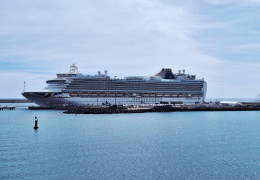
A Port Full of Stories: Arrecife, Then and Now
Read more

In the Shade of the Brim: Traditional Hats and Dress on Lanzarote
Read more
On Lanzarote, the story of traditional dress doesn’t start in glass cases but out in the hard light, where wind and...

Aloe Vera on Lanzarote: From Desert Child to Island Icon
Read more
Drive across the island and you’ll start seeing them everywhere: compact, spiky rosettes thriving on volcanic ash and...

Sports Holiday Lanzarote: Exploring the Island on Wheels
Read more
Trade winds at your back, volcanic tarmac ahead: Lanzarote is Europe’s open-air cycling lab. Blacktop cuts across...

Gofio: The Stone-Ground Superfood of the Guanches – Tradition Meets Trend
Read more
Nutty, lightly smoky and warm, gofio has nourished Canary Islanders since the Guanches roasted grain on lava and...
